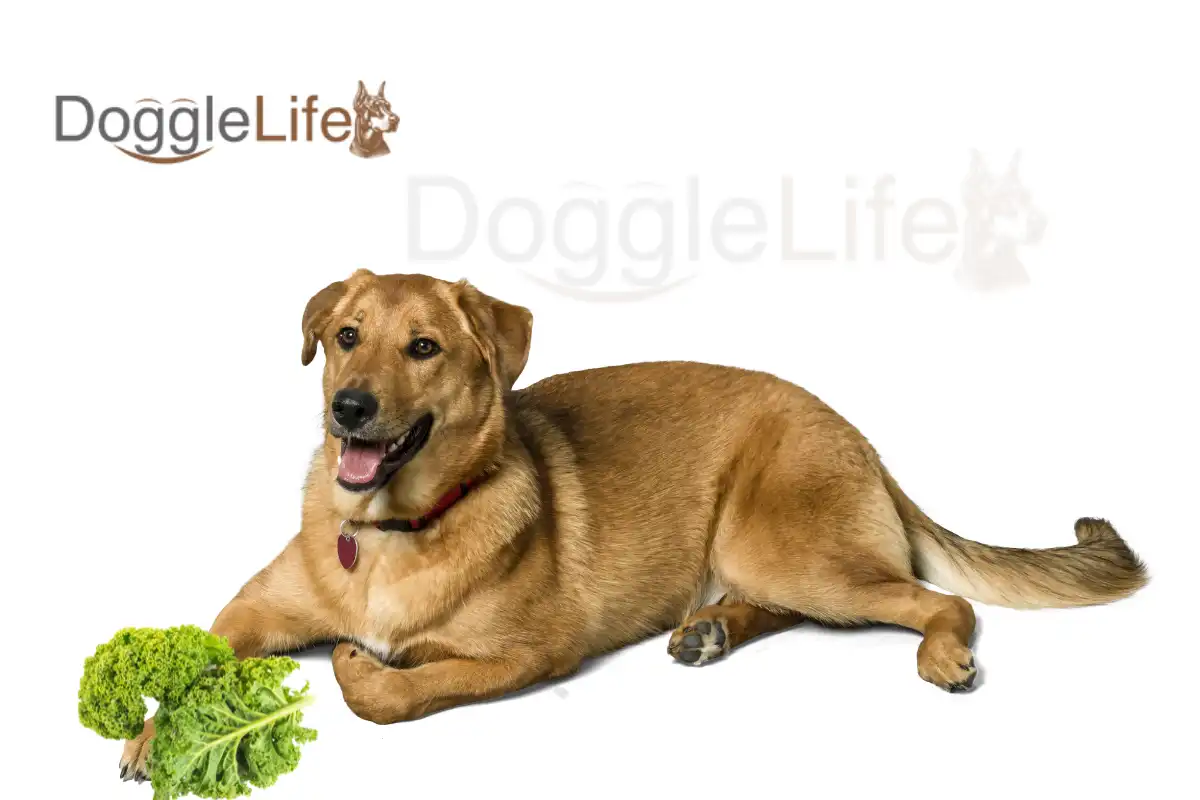
Yes — broccoli is safe for dogs in small amounts. It is a nutritious snack, but the florets contain isothiocyanates that cause GI irritation in large amounts. Keep broccoli to less than 10% of your dog’s daily food intake.
Safe
Yes — safe in small amounts only
Broccoli is non-toxic and nutritious in small quantities. However, the florets contain isothiocyanates — natural compounds that can cause significant GI upset (gas, bloating, diarrhea) when given in large amounts. Keep broccoli under 10% of your dog’s daily diet.
Is broccoli good for dogs?
Broccoli is rich in vitamins A, C, and K, folate, potassium, and fiber. It is low in fat and calories. The key limitation is the isothiocyanates in the florets — these compounds are irritating to the canine digestive system in anything beyond small amounts.
How much broccoli can a dog eat?
| Amount as % of daily calories | Effect |
|---|---|
| Under 5% | Generally fine for most dogs |
| 5–10% | May cause mild gas or loose stools in sensitive dogs |
| Over 10% | Likely to cause significant GI distress |
| Over 25% | Can be life-threatening — do not allow |
How to prepare broccoli for dogs
- Raw or lightly steamed — both are safe.
- Plain only — no butter, oil, garlic, cheese, or seasoning.
- Cut into small pieces — broccoli florets and stalks can be choking hazards for smaller dogs.
Can dogs eat raw broccoli?
Yes, raw broccoli is safe in small amounts. The crunching provides some dental benefit. Cut into pieces appropriate to your dog’s size to prevent choking.
Can dogs eat broccoli florets?
Yes — florets are the part most dogs enjoy, but they also contain the highest concentration of isothiocyanates. Stick to small amounts — a floret or two for a medium dog is a good serving size.
What happens if a dog eats too much broccoli?
A dog that eats a large amount of broccoli is likely to experience vomiting, diarrhea, and gas. Call your vet if symptoms are severe or do not resolve within 24 hours.
More dog food safety guides:
This article is for general information only and is not a substitute for professional veterinary advice. If your dog is unwell or you have a medical concern, contact your veterinarian. In an emergency, call the Pet Poison Helpline (855-764-7661) or ASPCA Animal Poison Control (888-426-4435).
Keep reading